
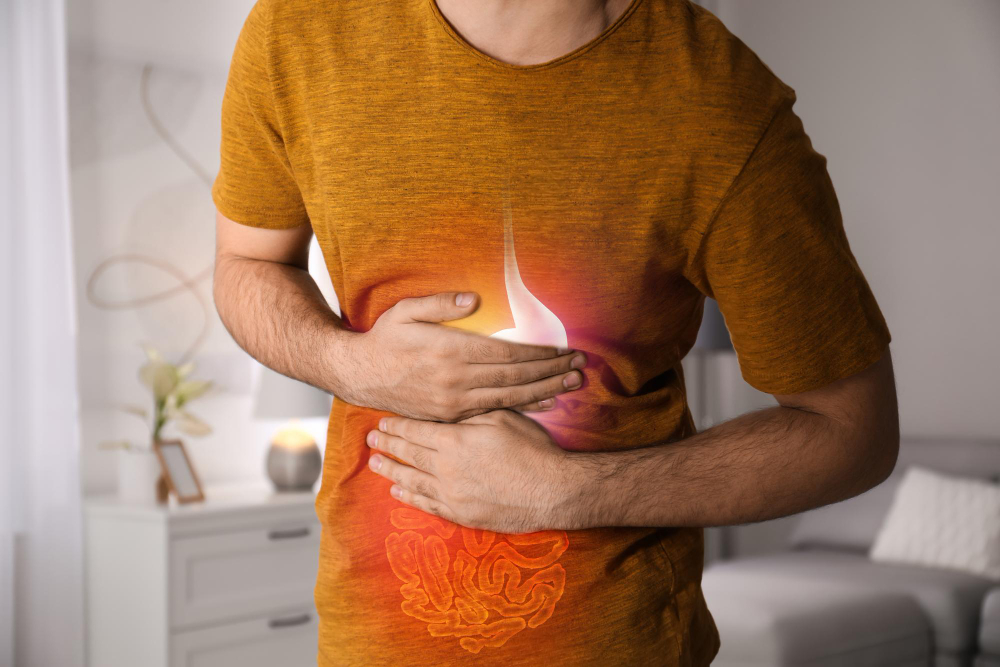
What is a Peptic Ulcer?
A peptic ulcer is a sore that forms on the lining of the stomach or the upper part of the small intestine. These sores can cause pain and other problems. Usually, peptic ulcers develop when the protective layer of the stomach or intestine gets damaged. As a result, stomach acid can harm the tissue underneath. Peptic ulcers are common and can affect people of all ages. According to the World Health Organization (WHO), millions of people worldwide experience peptic ulcers each year.
Common Symptoms
Peptic ulcer symptoms can vary from person to person. However, some signs are more common. If you notice any of these symptoms, you should pay attention:
Sometimes, symptoms may be mild at first. But over time, they can become worse. In rare cases, ulcers can cause severe pain or bleeding.
Causes and Risk Factors
There are several causes and risk factors for peptic ulcers. Most often, they are linked to:
Not everyone with these risk factors will get a peptic ulcer. However, having more than one risk factor increases your chances. According to the Centers for Disease Control and Prevention (CDC), H. pylori infection is the most common cause worldwide.
Diagnosis
Doctors use several methods for peptic ulcer diagnosis. First, they will ask about your symptoms and medical history. Then, they may recommend tests such as:
Early diagnosis helps prevent serious problems. Therefore, it is important to see a doctor if you have symptoms.
Treatment Options
Peptic ulcer treatment depends on the cause. Most ulcers heal with medicine. Doctors may suggest:
In rare cases, surgery may be needed if the ulcer does not heal or causes bleeding. Most people feel better within a few weeks of starting treatment. However, you should always finish your medicine as prescribed.
Lifestyle Tips and Prevention
You can lower your risk of peptic ulcers by making healthy choices. Here are some tips on how to prevent peptic ulcers:
Additionally, regular check-ups can help catch problems early. If you have a family history of ulcers, talk to your doctor about your risk.
When to See a Doctor
Sometimes, peptic ulcers can cause serious problems. You should see a doctor if you have:
Early treatment can prevent complications. Therefore, do not wait if you notice these warning signs.
In summary, peptic ulcers are common but treatable. With the right care and lifestyle changes, most people recover fully. Consult a healthcare professional at Health First Hospital for personalized advice on peptic ulcers.