What is Endometriosis?
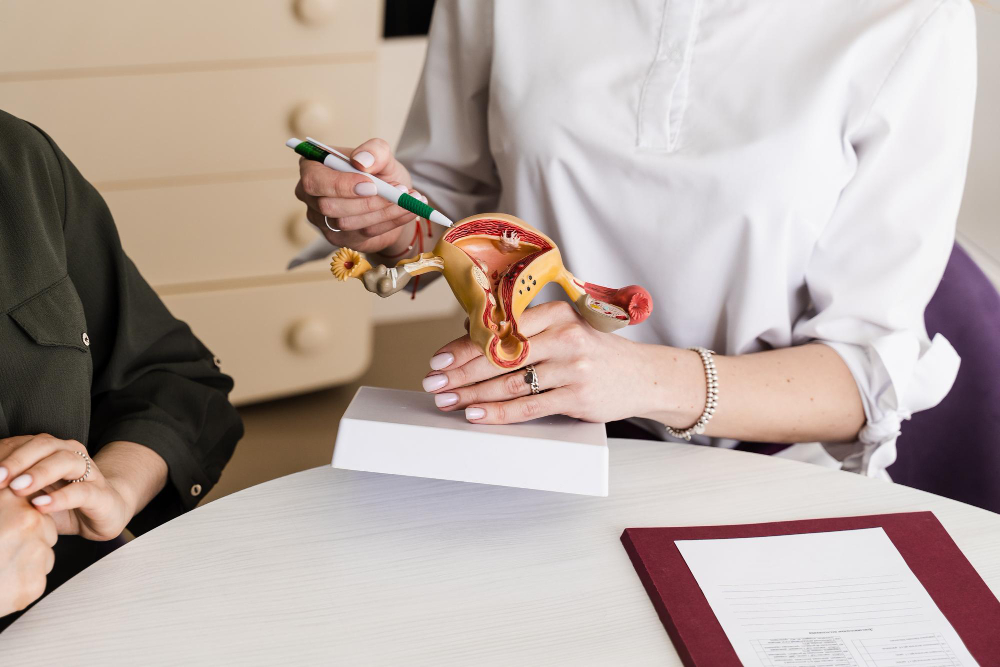
Endometriosis is a health condition that affects many women. In this condition, tissue similar to the lining inside the uterus grows outside it. This tissue can cause pain and other problems. Although it is common, many people do not know about endometriosis. Because of this, it is important to learn about its symptoms, causes, and treatment options. Early understanding can help you manage endometriosis better.
Common Symptoms of Endometriosis
Many women with endometriosis experience different symptoms. However, some signs are more common than others. Knowing these can help you seek help sooner. Here are the most frequent symptoms:
Sometimes, symptoms can be mild. But for others, they can be very strong. If you notice these signs, it is wise to talk to your doctor. Early action can make a big difference.
Causes and Risk Factors
Doctors are still learning about what causes endometriosis. Even so, some factors may raise your risk. Here are a few possible causes and risk factors:
Although these factors may increase risk, anyone can develop endometriosis. Because the exact cause is not clear, more research is ongoing. According to the World Health Organization (WHO), endometriosis affects about 10% of women of reproductive age worldwide.
How Endometriosis is Diagnosed
Diagnosing endometriosis can take time. Often, symptoms are similar to other conditions. However, doctors use several steps to find out if you have endometriosis:
Sometimes, a laparoscopy is needed to confirm the diagnosis. This helps doctors see the tissue and decide the best treatment for you.
Treatment Options for Endometriosis
There are several ways to manage endometriosis. The right treatment depends on your symptoms and health goals. Here are some common options:
Sometimes, a mix of treatments works best. Your doctor will help you choose what is right for you. Because endometriosis can return, regular check-ups are important.
Lifestyle Tips and Self-Care
Living with endometriosis can be challenging. However, some lifestyle changes may help you feel better. Try these tips to manage your symptoms:
Although these steps may not cure endometriosis, they can improve your quality of life. Always talk to your doctor before starting new routines.
Prevention and When to See a Doctor
Currently, there is no sure way to prevent endometriosis. However, early treatment can help control symptoms. If you notice any signs, such as severe period pain or trouble getting pregnant, see your doctor. Early care can prevent problems from getting worse.
Remember, you are not alone. Many women manage endometriosis with the right support and care.
Conclusion
Endometriosis can be a difficult condition, but help is available. If you think you may have endometriosis, consult a healthcare specialist at Health First Hospital for personalized advice. Early action can make a big difference in your health and well-being.